





Point-Supported Glass Curtain Wall Systems for Modern Architectural Statements
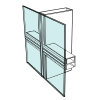
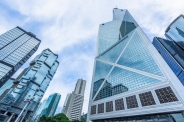
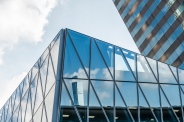
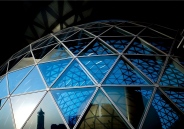
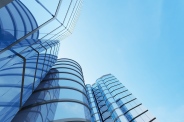
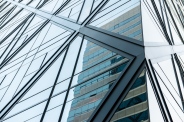
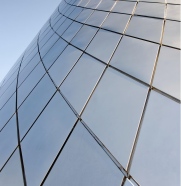
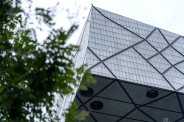
The Dimax point-supported glass curtain wall system is engineered for commercial, institutional, and landmark architectural projects where structural expression, visual transparency, and design freedom are paramount. Featuring a diversified range of supporting structure forms, this system accommodates the unique visions of architects and project owners, creating striking façades that blend metal frameworks with the pure permeability of glass. The result is a harmonious integration between interior and exterior spaces, where structure becomes art and transparency defines the user experience.
Key Features:
- Diversified supporting structure forms to meet unique architectural and fau00e7ade design requirements
- Firm and graceful metal structure harmonizing with glass permeability for seamless indoor-outdoor integration
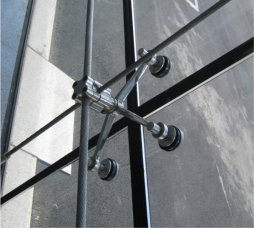
- Spherical hinge connections between glass and spiders accommodate structural distortion and movement
- Exquisite, practical components deliver visual lightness and long-term durability
- Ideal for landmark commercial, cultural, and institutional projects
HANLUN Curtain Wall – Testing, Certification & Code Compliance
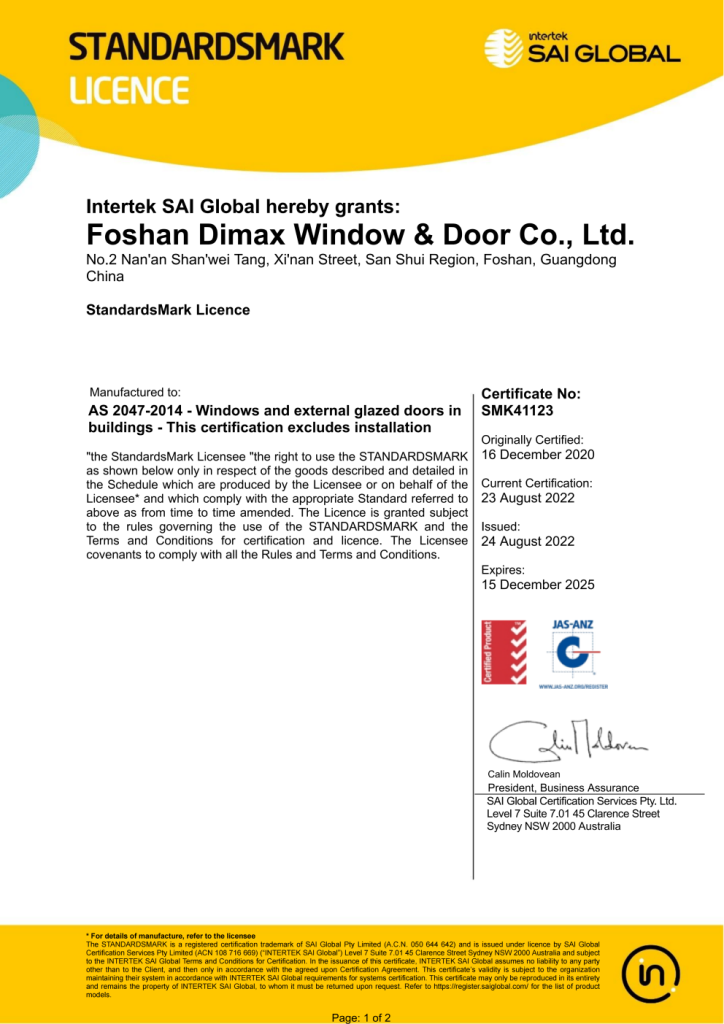
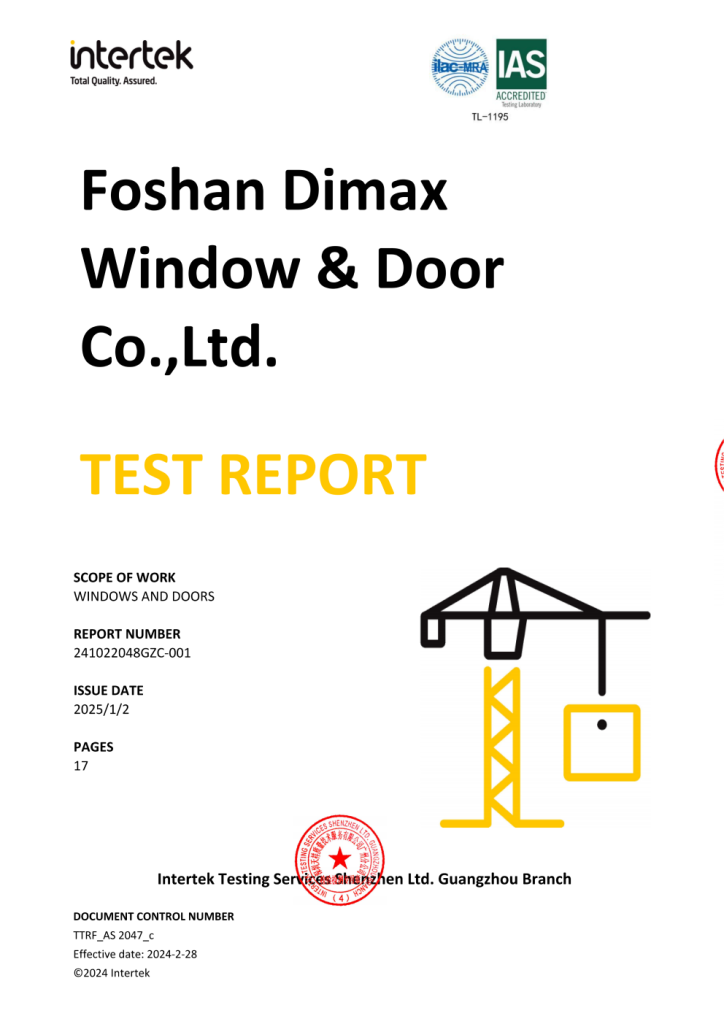
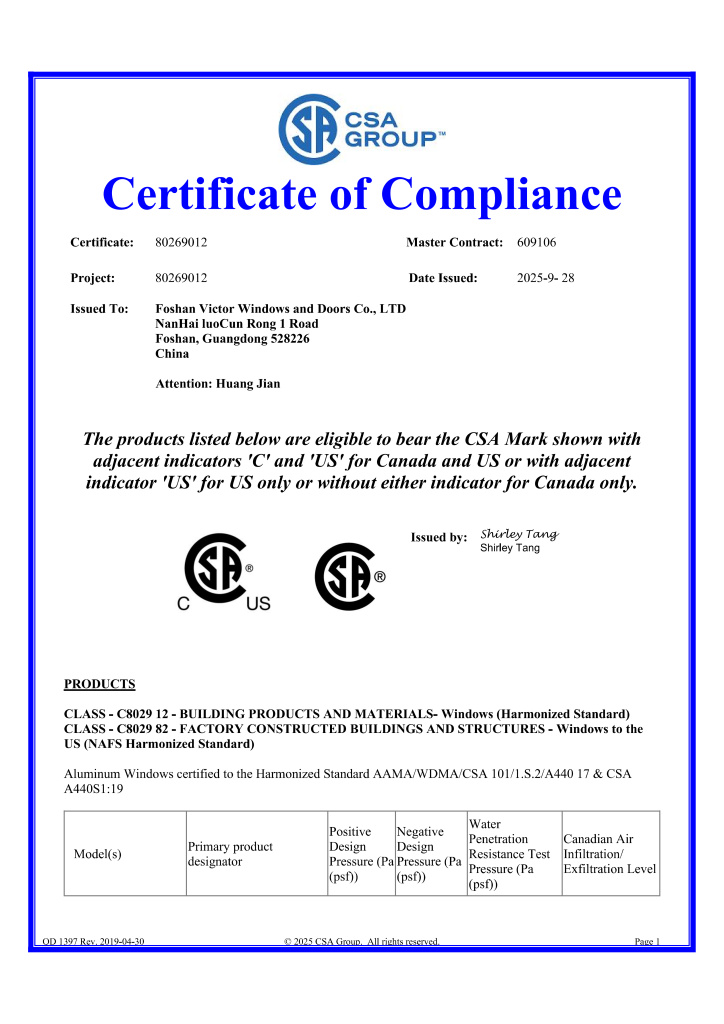
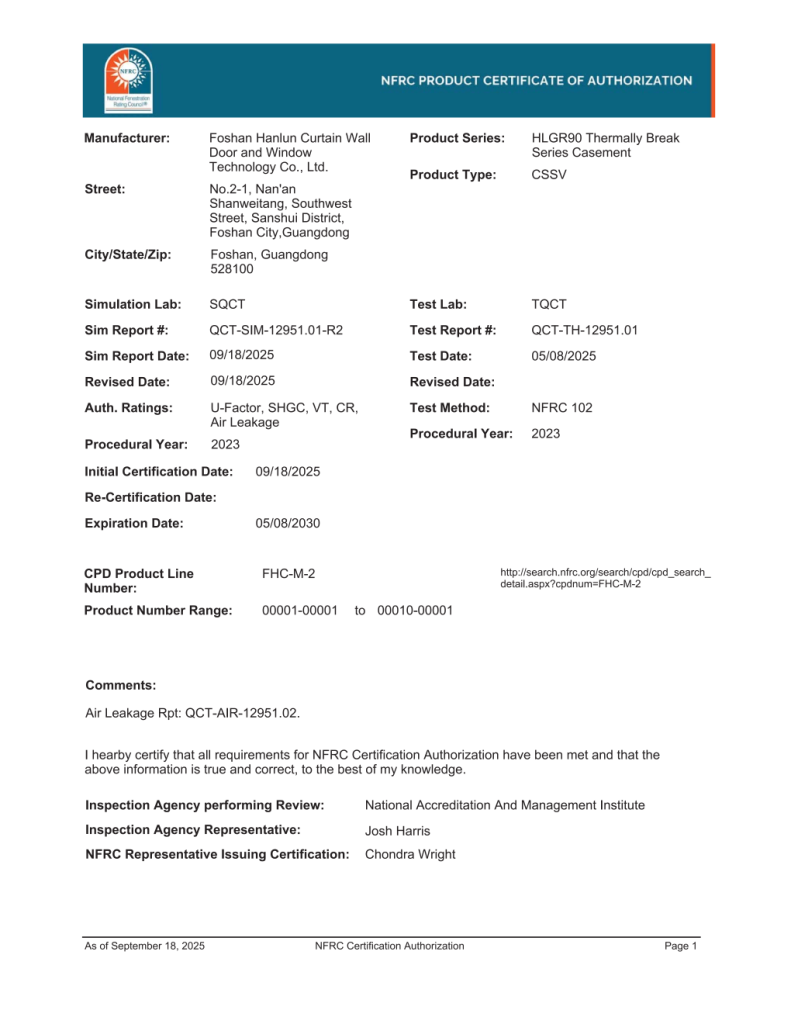
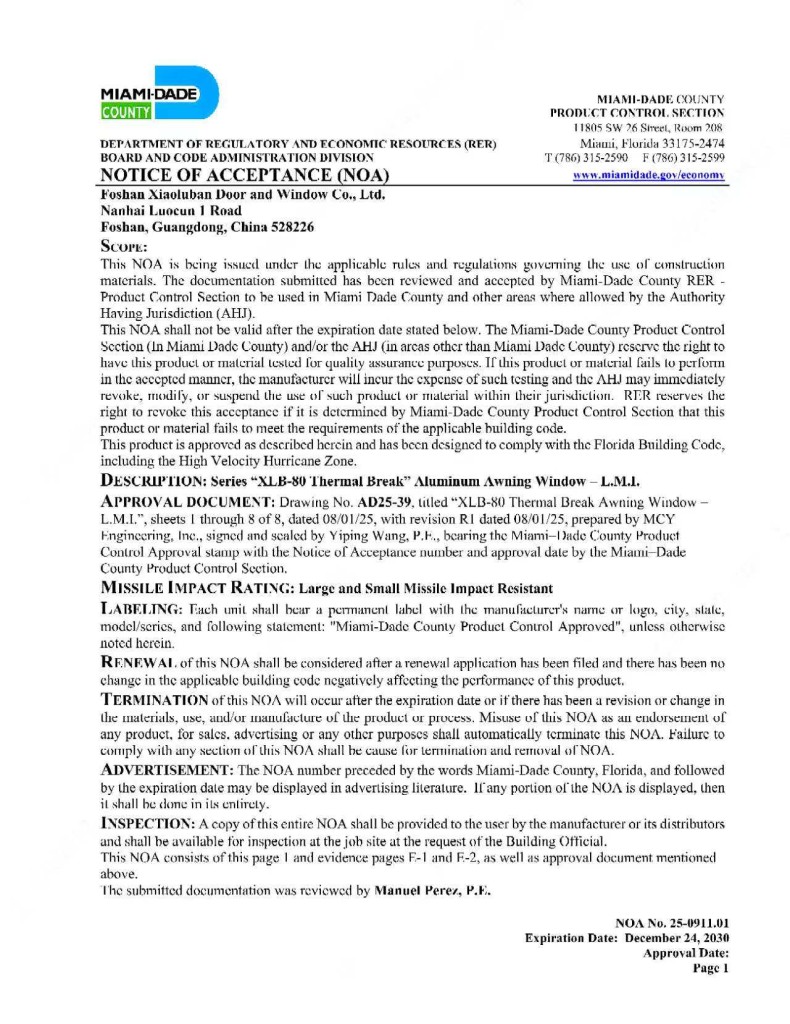
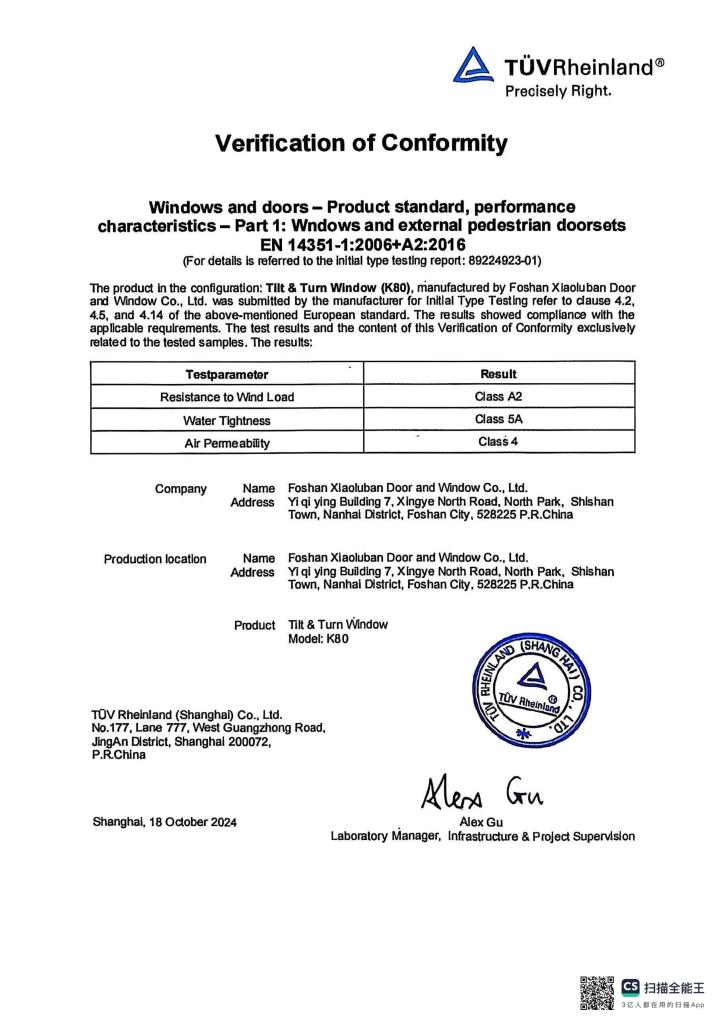
HANLUN Curtain Wall systems are engineered and evaluated to support compliance with applicable building codes and performance requirements across different international markets. Testing and certification may include structural performance, air and water resistance, wind load, and project-specific façade system evaluation in accordance with applicable standards such as ASTM, AAMA, AS/NZS, EN, and regional building code requirements (including Florida Building Code where applicable). Certification scope and applicability may vary by system configuration, project conditions, and installation method. Detailed testing reports and compliance documentation are available upon request to support specific project needs.
Request Compliance InformationDesign Options
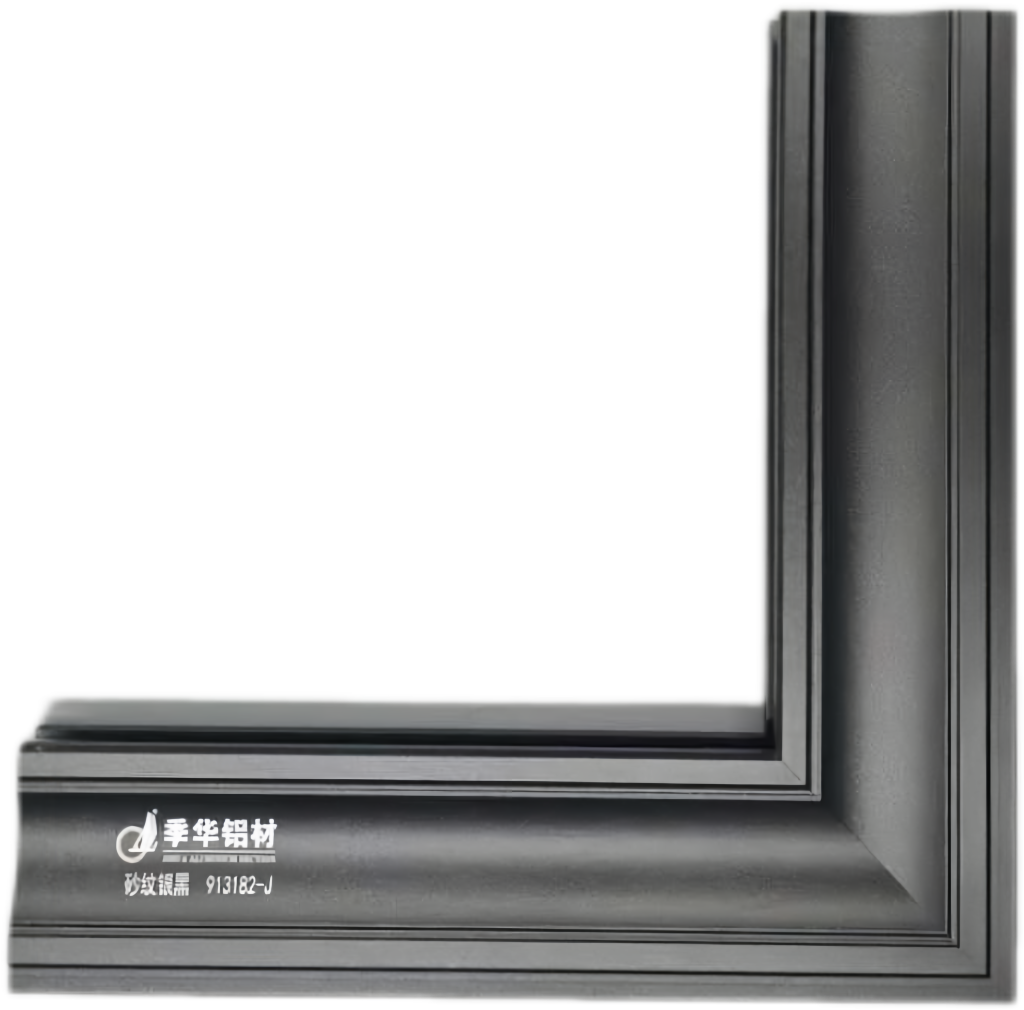
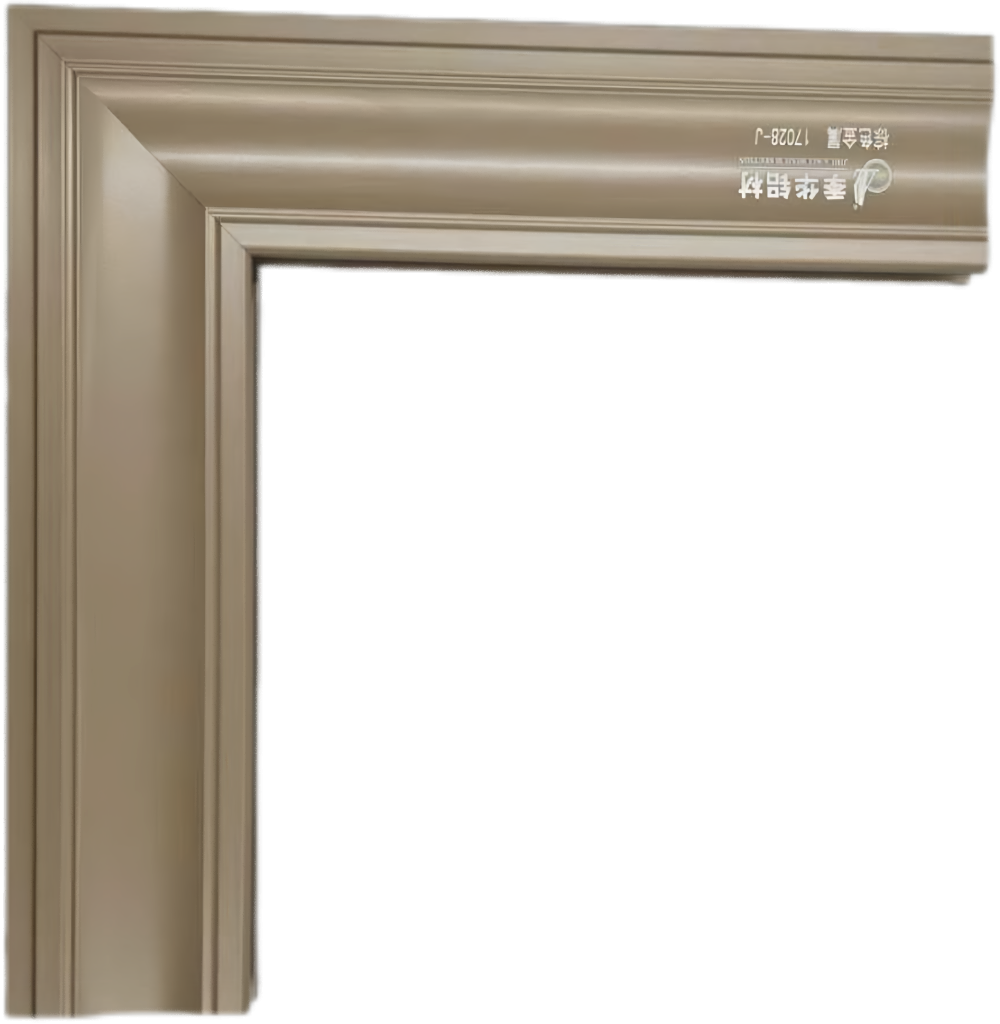
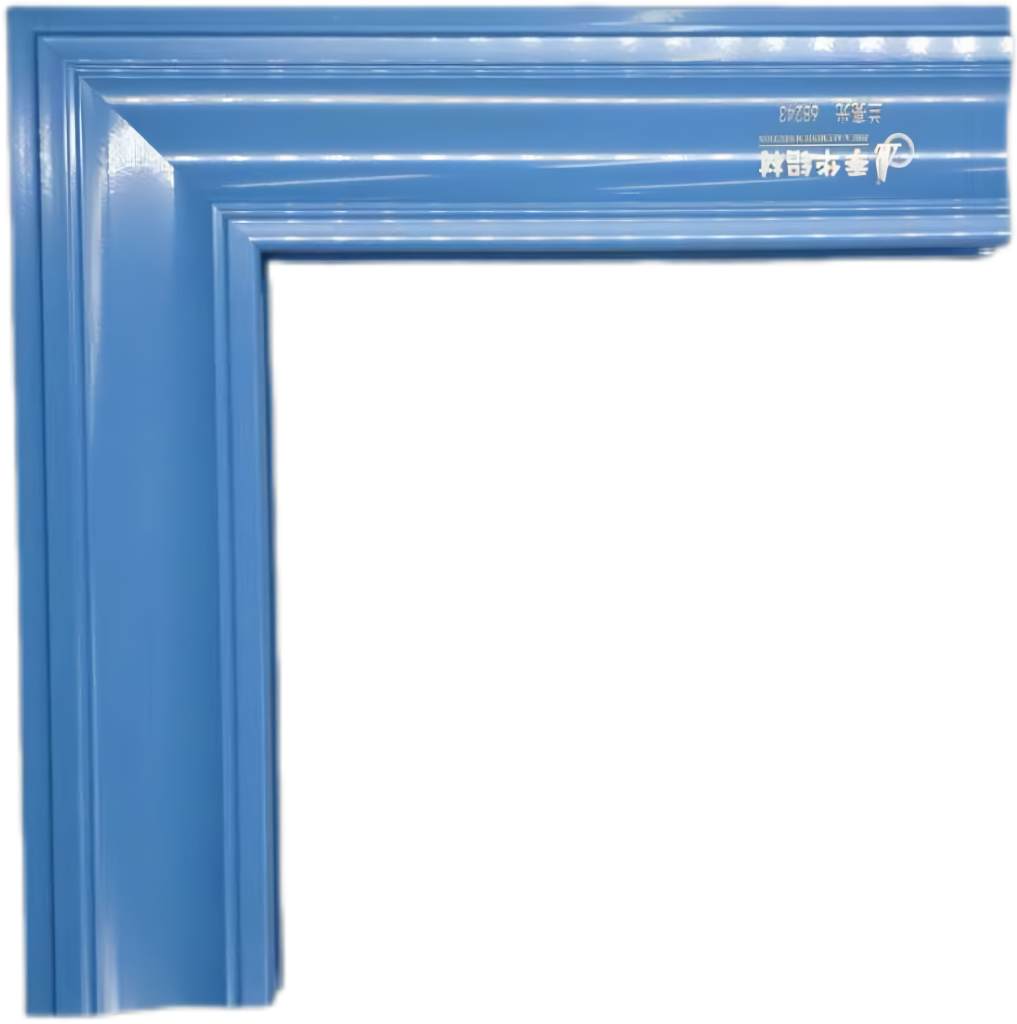
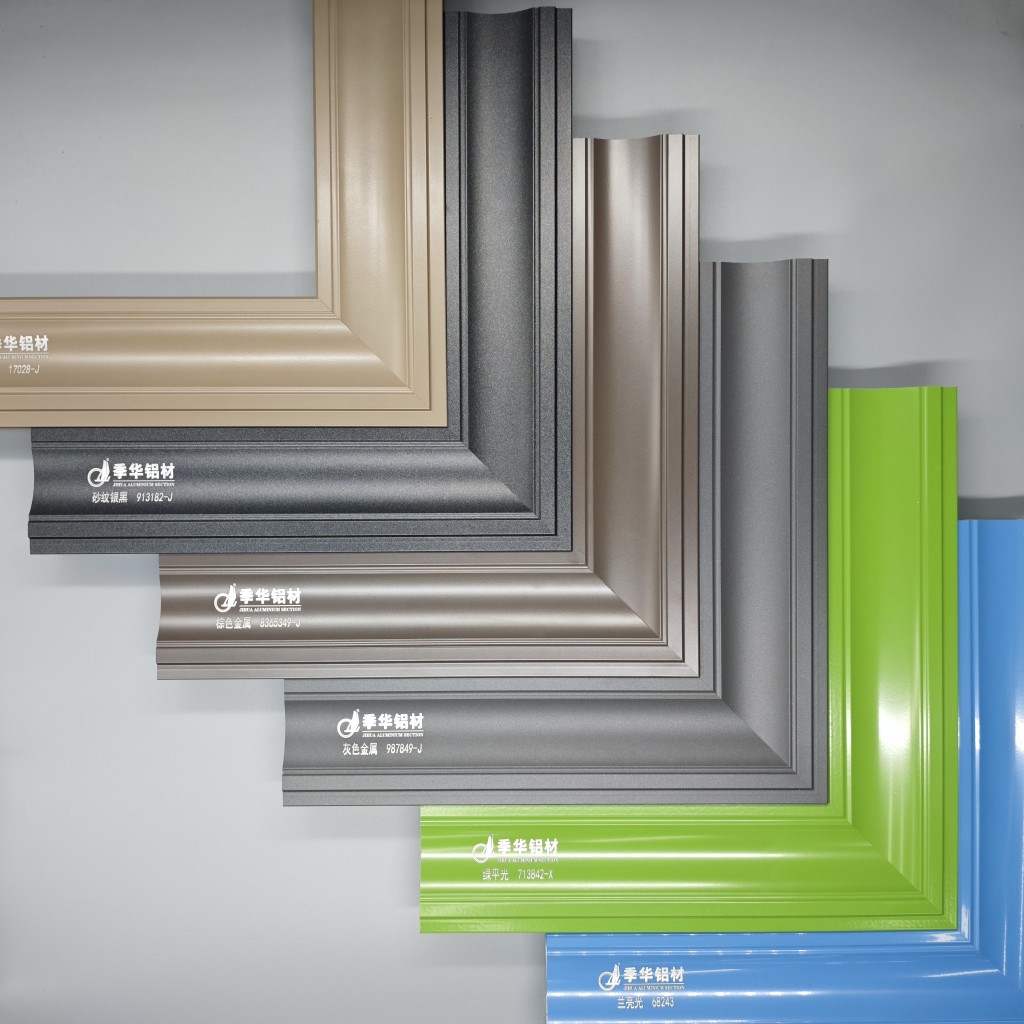
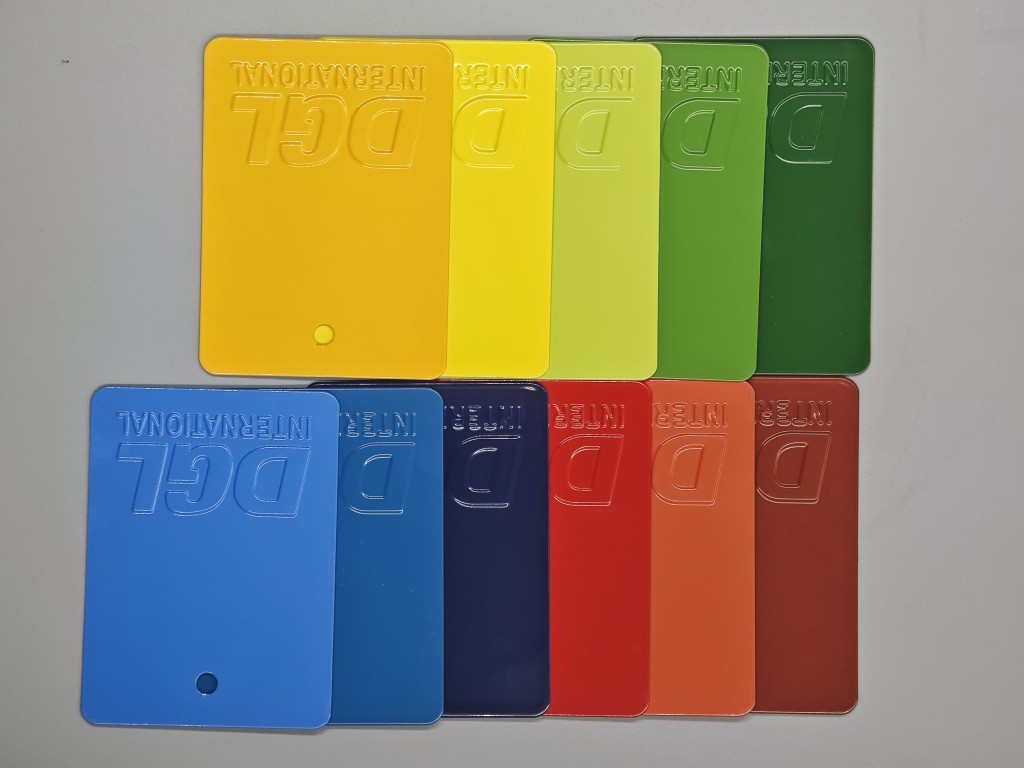
Aluminium Curtain Wall Finish & Color Options
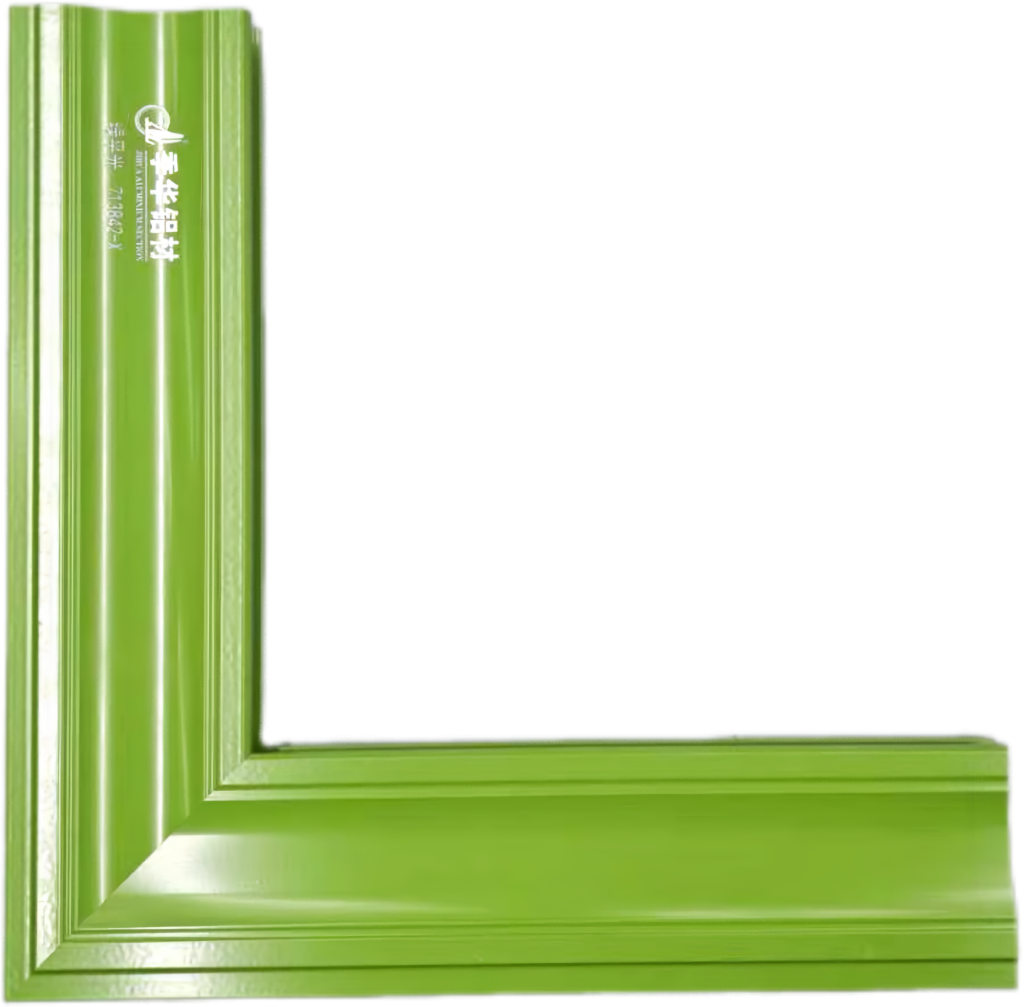
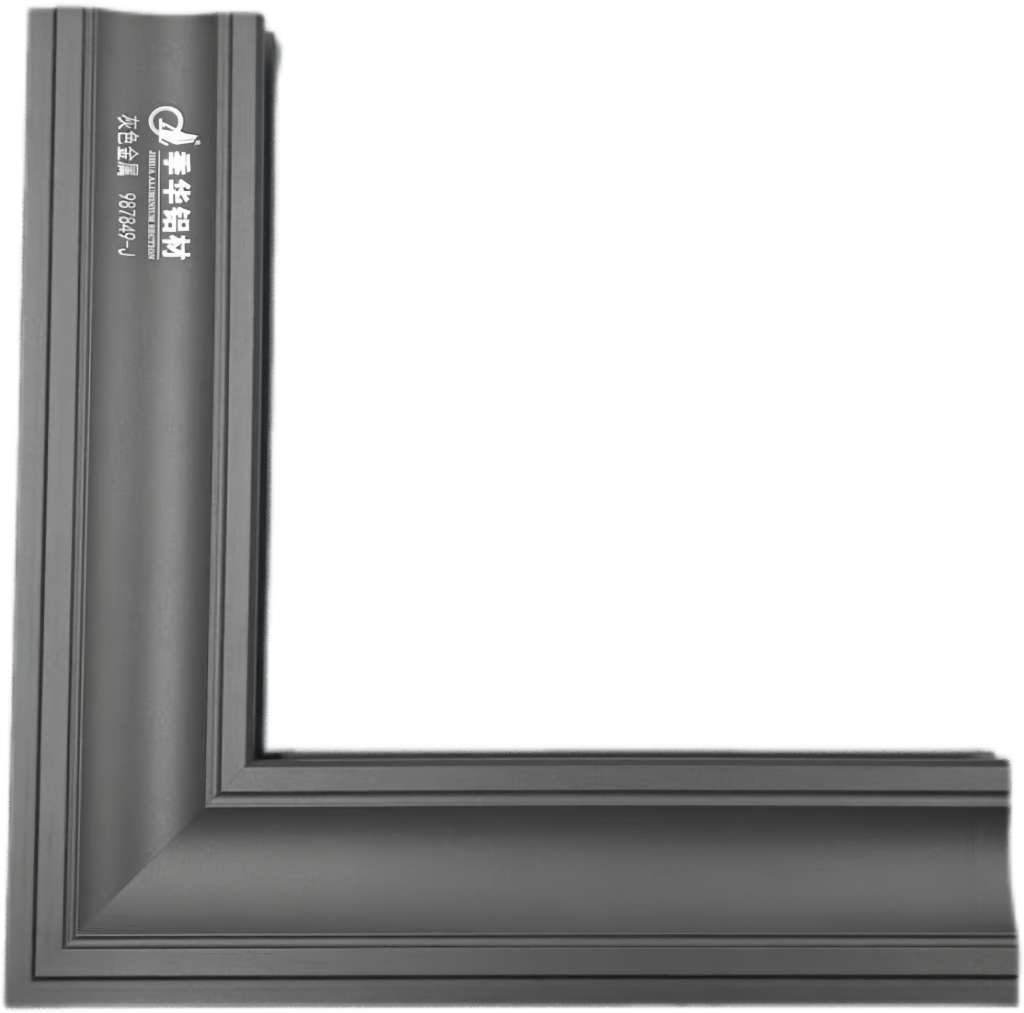
Our aluminium curtain wall systems feature durable, factory-applied architectural finishes designed for long-term exterior performance. A wide range of solid color options is available to support diverse architectural styles, climate conditions, and international project requirements. Finishing solutions include high-performance powder coating, PVDF coating for high-rise and coastal environments, anodized aluminium finishes, and customized RAL color selections to match project specifications. All coatings are engineered for UV resistance, corrosion protection, and long-term color stability across global markets.
FOR
PROS
Key Considerations for Curtain Wall Finishes
- • • Powder-coated aluminium provides excellent resistance to corrosion, weathering, and UV exposure, making it suitable for commercial and residential façade systems worldwide.
- • • PVDF coating is recommended for high-rise buildings and coastal environments requiring enhanced durability and salt spray resistance.
- • • Lighter colors help reduce solar heat absorption in hot climates, while darker finishes create bold architectural façade aesthetics.
- • • Regular maintenance using neutral detergents helps maintain surface appearance and extend coating lifespan.
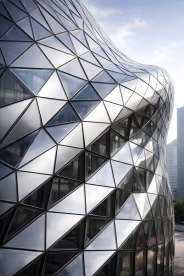
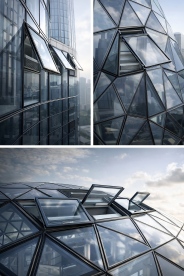




Point-Supported Glass Curtain Wall Systems for Iconic Architectural Designs
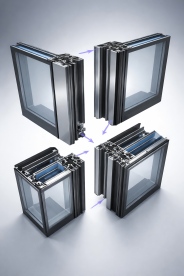
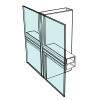
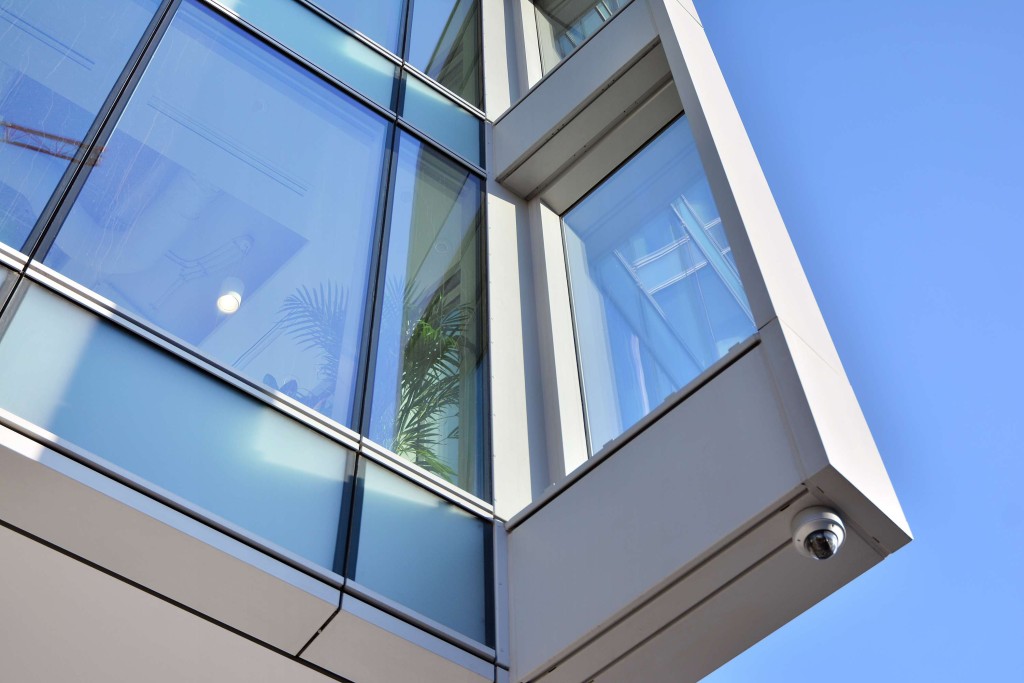
The Dimax point-supported glass curtain wall system is engineered for landmark commercial, cultural, and institutional projects where structural expression, visual transparency, and design freedom define the architectural vision. Featuring diversified supporting structure forms, this system accommodates the unique requirements of architects and project owners for distinctive building envelopes. The result is a harmonious integration of metal frameworks with the pure permeability of glass, creating seamless transitions between interior and exterior spaces while making structure an integral part of the aesthetic expression.
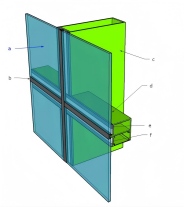
Built as a performance-driven envelope solution rather than conventional curtain walls, the point-supported system employs spherical hinge connections between glass panels and stainless steel spiders, allowing for perfect accommodation of structural distortion, thermal movement, and building settlement. This articulated connection method ensures that glass remains securely fastened while adapting to dynamic loads without stress concentration or visual obstruction. The firm yet graceful structure, combined with exquisite and practical components, delivers both visual lightness and long-term durability for high-profile architectural applications.
With extensive engineering and customization capabilities, the Dimax point-supported curtain wall reflects our commitment to quality and project-specific requirements. Our team collaborates closely with architects, developers, and façade consultants to tailor support structures, glass configurations, and connection details—ensuring each solution achieves the desired architectural expression while meeting rigorous performance standards for iconic building projects.
Customize Your Point-Supported Glass Curtain Wall Solution
Dimax point-supported glass curtain wall systems are engineered for landmark commercial, cultural, and institutional projects where structural expression, visual transparency, and design freedom define the architectural vision. Featuring diversified supporting structure forms, this system accommodates the unique requirements of architects and project owners for distinctive building envelopes. The result is a harmonious integration of metal frameworks with the pure permeability of glass, creating seamless transitions between interior and exterior spaces while making structure an integral part of the aesthetic expression.
Built as a performance-driven envelope solution rather than conventional curtain walls, the point-supported system employs spherical hinge connections between glass panels and stainless steel spiders, allowing for perfect accommodation of structural distortion, thermal movement, and building settlement. This articulated connection method ensures that glass remains securely fastened while adapting to dynamic loads without stress concentration or visual obstruction. The firm yet graceful structure, combined with exquisite and practical components, delivers both visual lightness and long-term durability for high-profile architectural applications.
With extensive engineering and customization capabilities, the Dimax point-supported curtain wall reflects our commitment to quality and project-specific requirements. Our team collaborates closely with architects, developers, and façade consultants to tailor support structures, glass configurations, and connection details—ensuring each solution achieves the desired architectural expression while meeting rigorous performance standards for iconic building projects.
Our Factory
15,000 m² vertically integrated manufacturing campus with over 1,00 skilled workers, supporting consistent quality control and reliable delivery timelines.
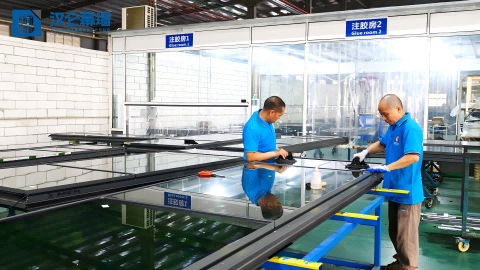
Insulated Glass Assembly
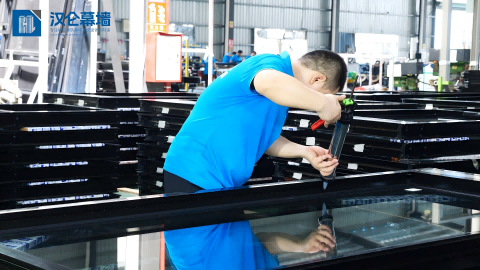
Sealing & Quality Control
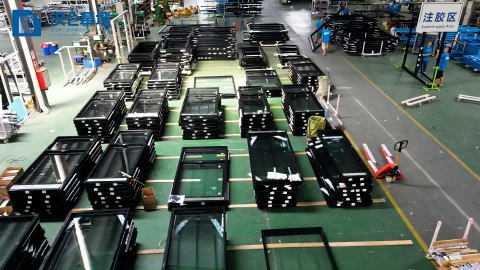
Semi-finished Window & Door Frames
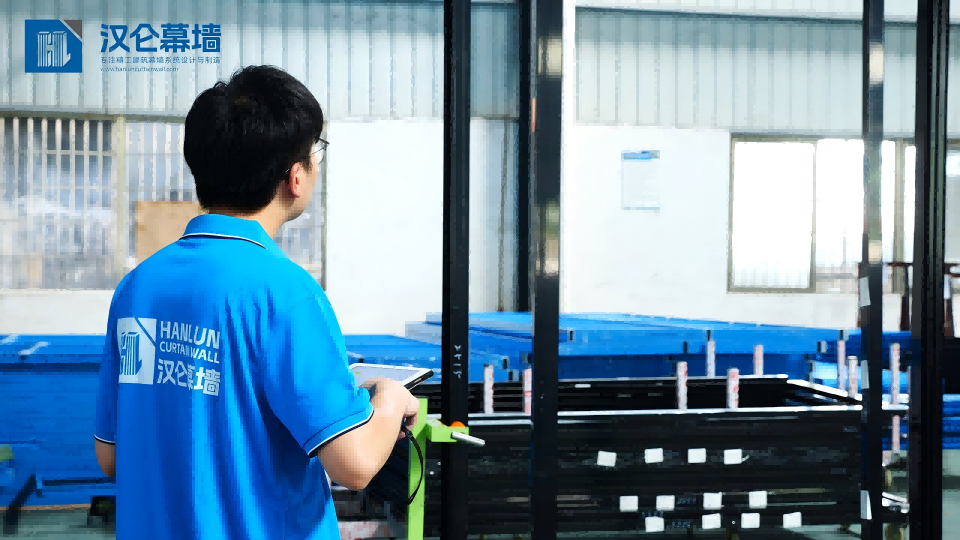
Dimax – OEM Partner for Aluminum Window and Door Systems
Dimax offers OEM aluminum window and door solutions with flexible customization options, including size, finish, opening configuration, and brand integration. Our system-based approach supports architectural intent while maintaining consistent performance and manufacturability.